The term PIVD /prolapsed intervertebral disc means the protrusion or extrusion of the nucleus pulposus through a rent in the annulus fibrosus.
Lower Back / Lumbar Herniated Disc Symptoms

Hands-on therapy to reduce pain, improve mobility, and support faster recovery from injuries and muscle stiffness.


Advanced HBOT treatment to boost healing, improve oxygen flow, and support recovery in chronic conditions.

Specialized therapy to improve movement, strength, and overall development in children with cerebral palsy.

Effective non-surgical treatment for back pain, slip disc, and posture-related spine problems.

Comprehensive physiotherapy for pain relief, mobility improvement, and faster recovery from injuries.
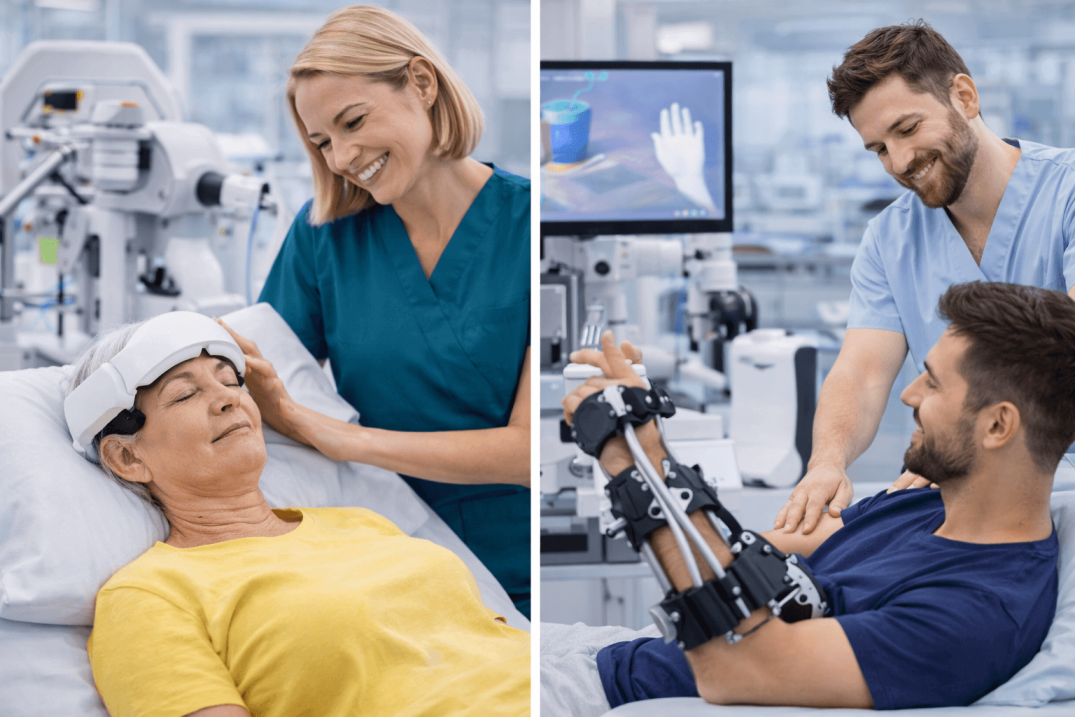
Modern therapies like laser and electrotherapy to enhance healing and treat chronic pain conditions.
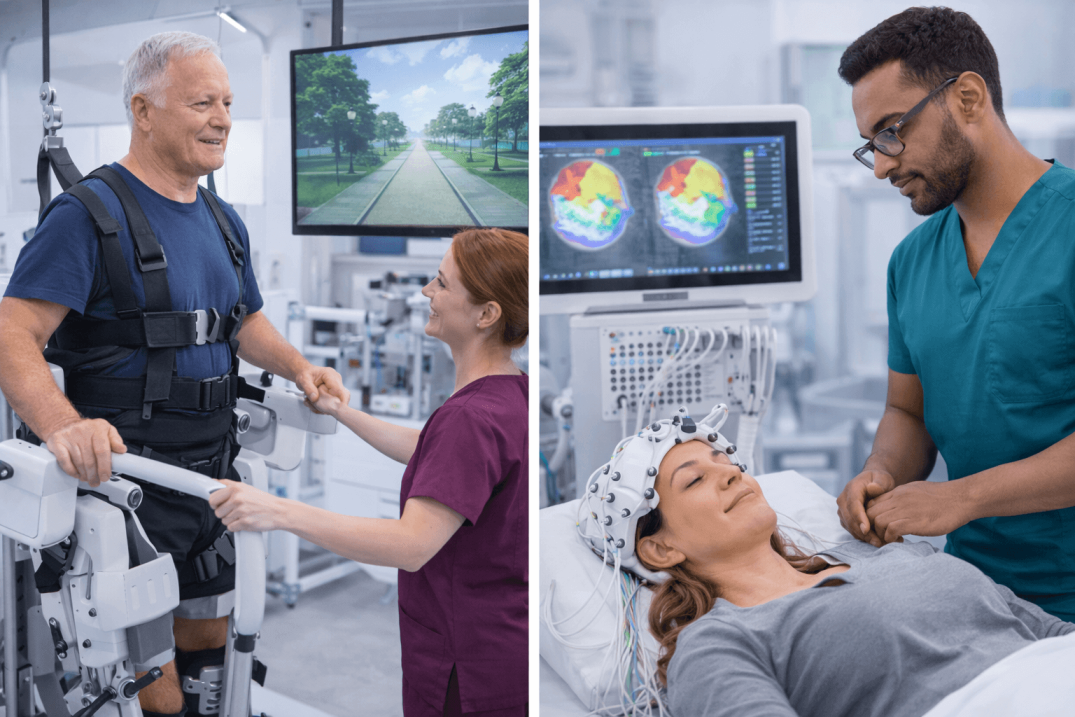
Advanced machines for accurate diagnosis, faster healing, and better therapy results..
Some people do not have the signs of PIVD Research studies where routine back scans happen to be done on a many people have shown that many people have a PIVD without any symptoms. It’s thought that symptoms mainly occur when the prolapse causes pressure or irritation of the nerve. This does not take place in all cases. Some prolapses might be small, or occur from the nerves and cause minor, or no symptoms.
Cauda equina syndrome – rare, but an urgent situation Cauda equina syndrome is a particularly serious kind of nerve root problem that may be caused by a prolapsed disc. This can be a rare disorder in which the nerves at the very bottom from the spinal cord are pressed on. This syndrome may cause low back pain plus: issues with bowel and bladder function (usually not able to pass urine), numbness within the ‘saddle’ area (around the anus), and weakness in a single or both legs. This syndrome needs urgent treatment to preserve the nerves towards the bladder and bowel from becoming permanently damaged. Visit a doctor immediately should you develop these symptoms.
It is well known, that slipped discs in the area of thoracic spine show a lower frequency than lumbar slipped discs. The more so it is important not to overlook it or to underestimate the symptoms of a slipped disc in this region. As experience shows, more young patients suffer from the thoracic prolapsed intervertebral disc.
 +91 88755 43332
 dravtardoi86@gmail.com